

Three days in Strasbourg and Nancy to gain first-hand insight into Grand Est’s healthcare and life sciences sector, discover how its scientific, clinical and business capabilities connect, and explore new opportunities for collaboration with the Basque Country.
From 21 to 23 October, we travelled to the French region of Grand Est with BioValley France and the Basque Government Delegation in France, taking the opportunity to gain a deeper understanding of its healthcare and life sciences sector, meet key stakeholders and discover initiatives driving innovation in healthcare.
Grand Est has significant capabilities in biomedical research, health technologies and the development of new clinical solutions. Throughout these days, we made the most of our programme of visits and meetings to explore its infrastructure, learn about its innovation models and understand how hospitals, research centres, companies and other sector stakeholders work together.
Strasbourg: biomedical research, medical technology and knowledge transfer
The first part of the mission took place in Strasbourg, where we had the opportunity to discover different organisations and capabilities and gain insight into how the region’s healthcare innovation stakeholders are connected.
The programme began with a presentation of Strasbourg University Hospitals (HUS), providing an overview of the activities and capabilities of its university hospital network.
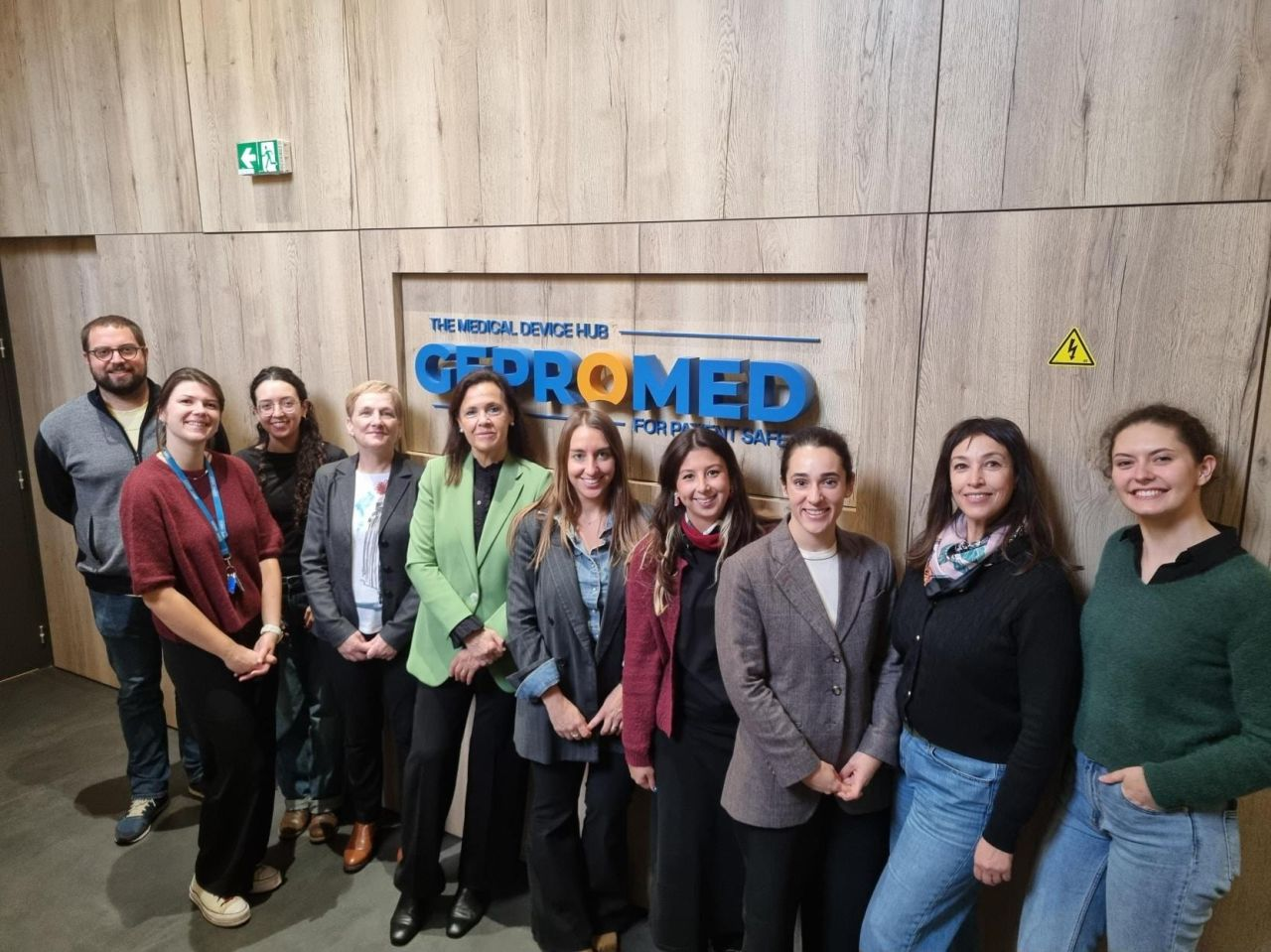
We then visited GEPROMED to learn about its work in the medical device field, followed by the Strasbourg Institut Hospitalo-Universitaire (IHU), an infrastructure designed to connect research, innovation and clinical practice.
The programme also included visits to the biomaterials and bioengineering laboratories and RDS, as part of the mission’s schedule.
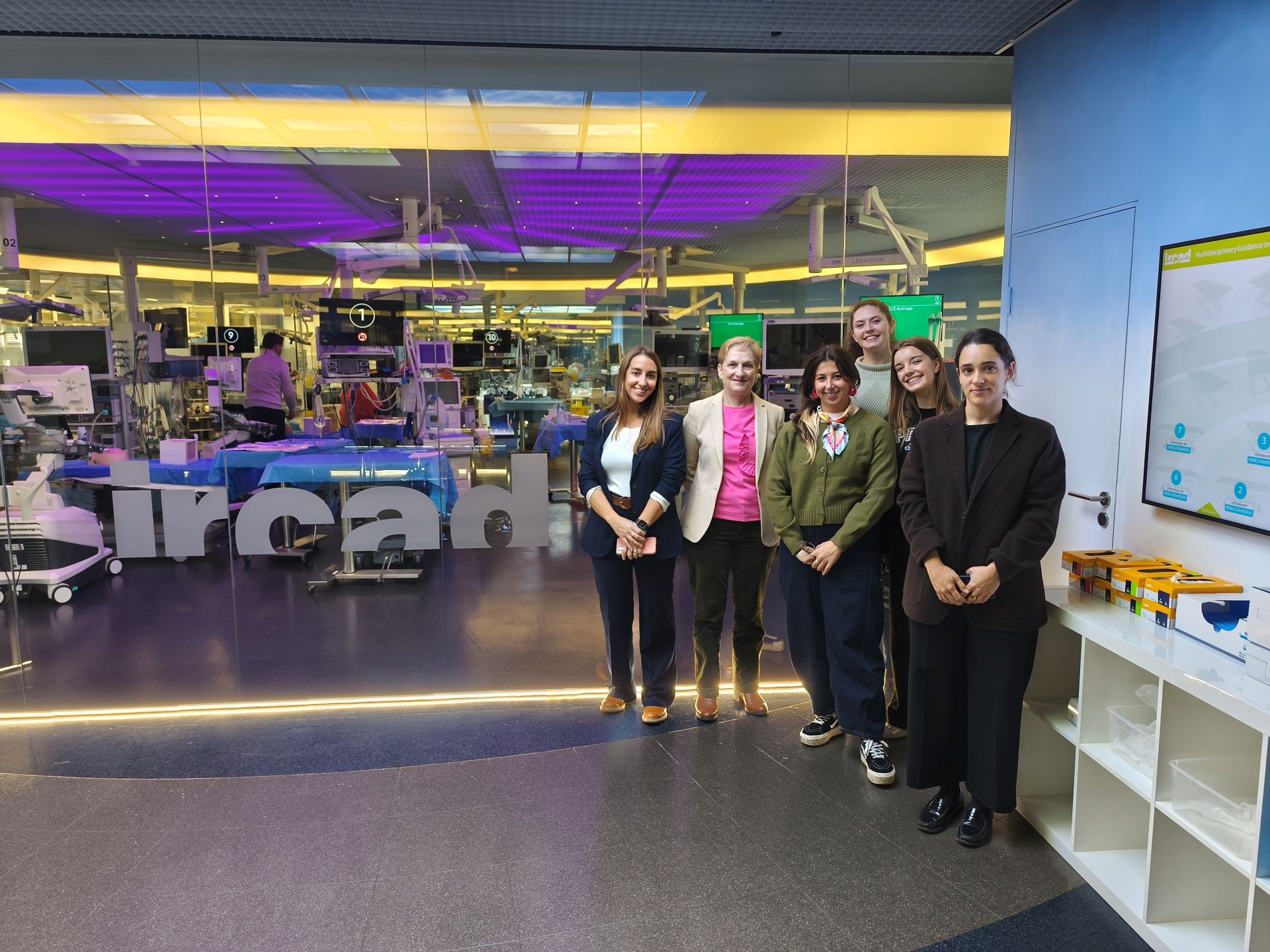
At IRCAD, an international reference centre for surgical research and training, we explored another example of specialisation in medical innovation and the development of surgical techniques.
Alongside these visits, we attended a presentation of the Strasbourg innovation ecosystem, gaining a broader understanding of the stakeholders, capabilities and structures supporting the development of the healthcare and life sciences sector in the region.
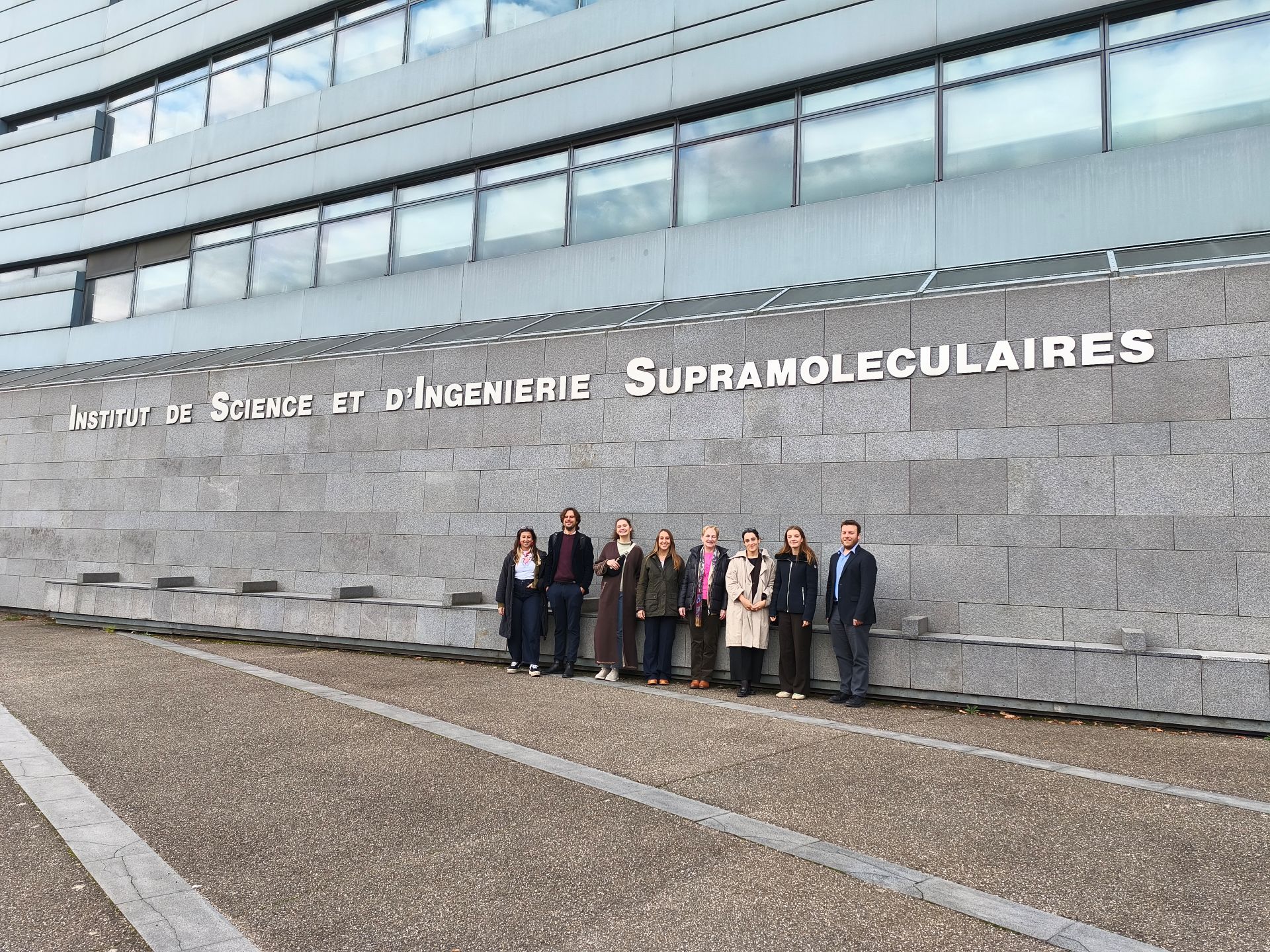
The programme concluded in Strasbourg with a visit to the ISIS Institute at the University of Strasbourg, where we learned about its research activities and scientific capabilities.
Nancy: healthcare capabilities and innovation structures
In Nancy, the programme combined visits to new infrastructure and healthcare organisations with an overview of the local healthcare innovation ecosystem.
We visited the Maison de l’Innovation et de la Technologie (MIT), an infrastructure project designed to bring together companies, laboratories and technological capabilities, and learned about the activities of Nancy University Hospital (CHRU de Nancy).
The programme also included a presentation of the Nancy healthcare innovation ecosystem, giving us a broader view of the organisations operating in the region and the connections between research, healthcare delivery and business development.
Finally, we visited the Institut de Cancérologie de Lorraine (ICL), a centre specialising in oncology, to learn about its activities and capabilities in cancer care and research.
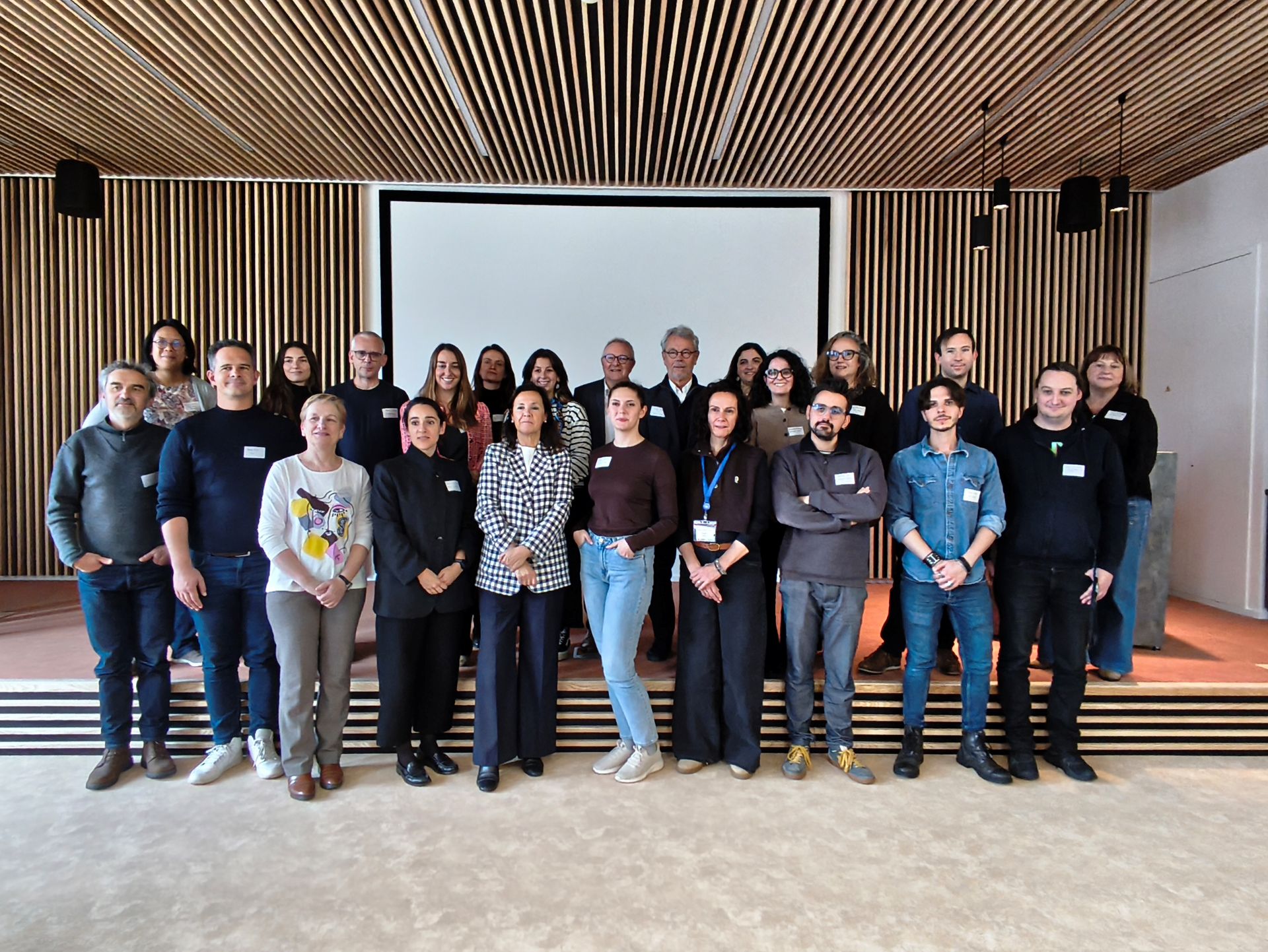
Discovering new models to unlock opportunities
Beyond the individual visits, these days have given us first-hand insight into how Grand Est’s healthcare and life sciences sector is organised, which structures support collaboration between its stakeholders and how its scientific, clinical and business capabilities are brought together.
Engaging with organisations from different backgrounds helps us broaden our perspective, identify areas of shared interest and explore international collaboration opportunities that could benefit the Basque Country’s biotechnology and healthcare sector.
With the support of BioValley France and the Basque Government Delegation in France, we have gained a closer understanding of a region whose capabilities may complement those of the Basque Country, while discovering experiences that could offer new ideas for the development of our sector.
We continue to connect stakeholders, identify opportunities and strengthen the international reach of our member organisations.


